
THIS RESTORATION WAS MADE POSSIBLE THANKS TO A GENEROUS DONATION FROM FRIENDS OF FLORENCE

BASILICA SS. ANNUNZIATA
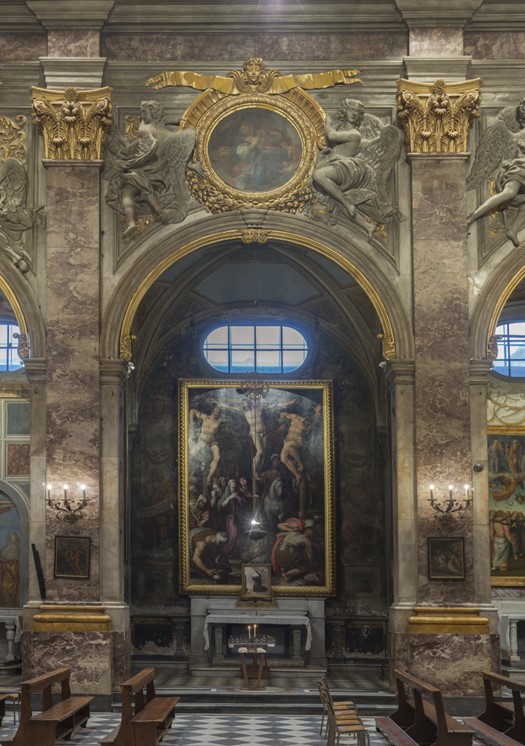
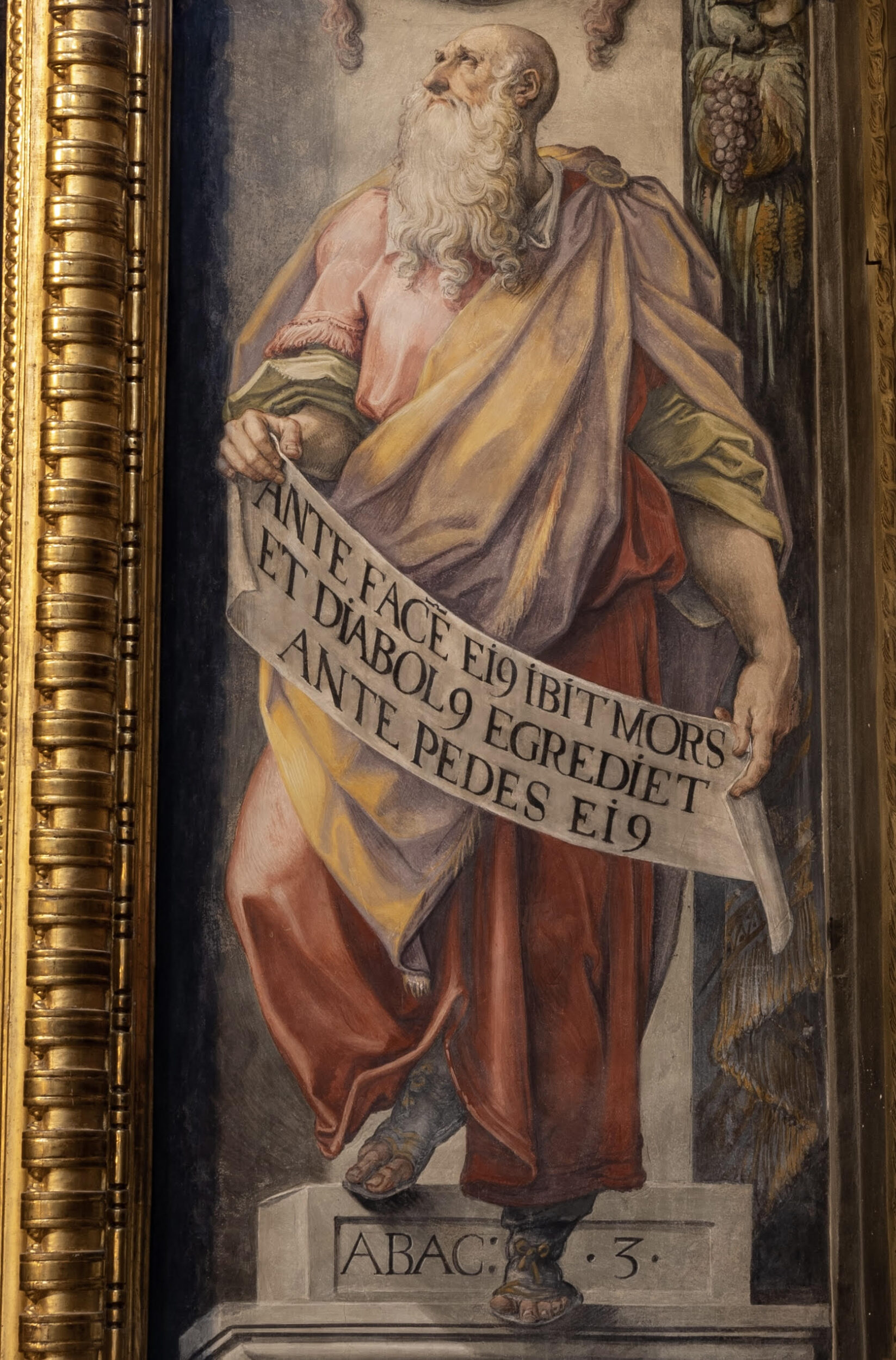
Restoration Project of the Wall Paintings on the Altar Wall within the GALLI CHAPEL
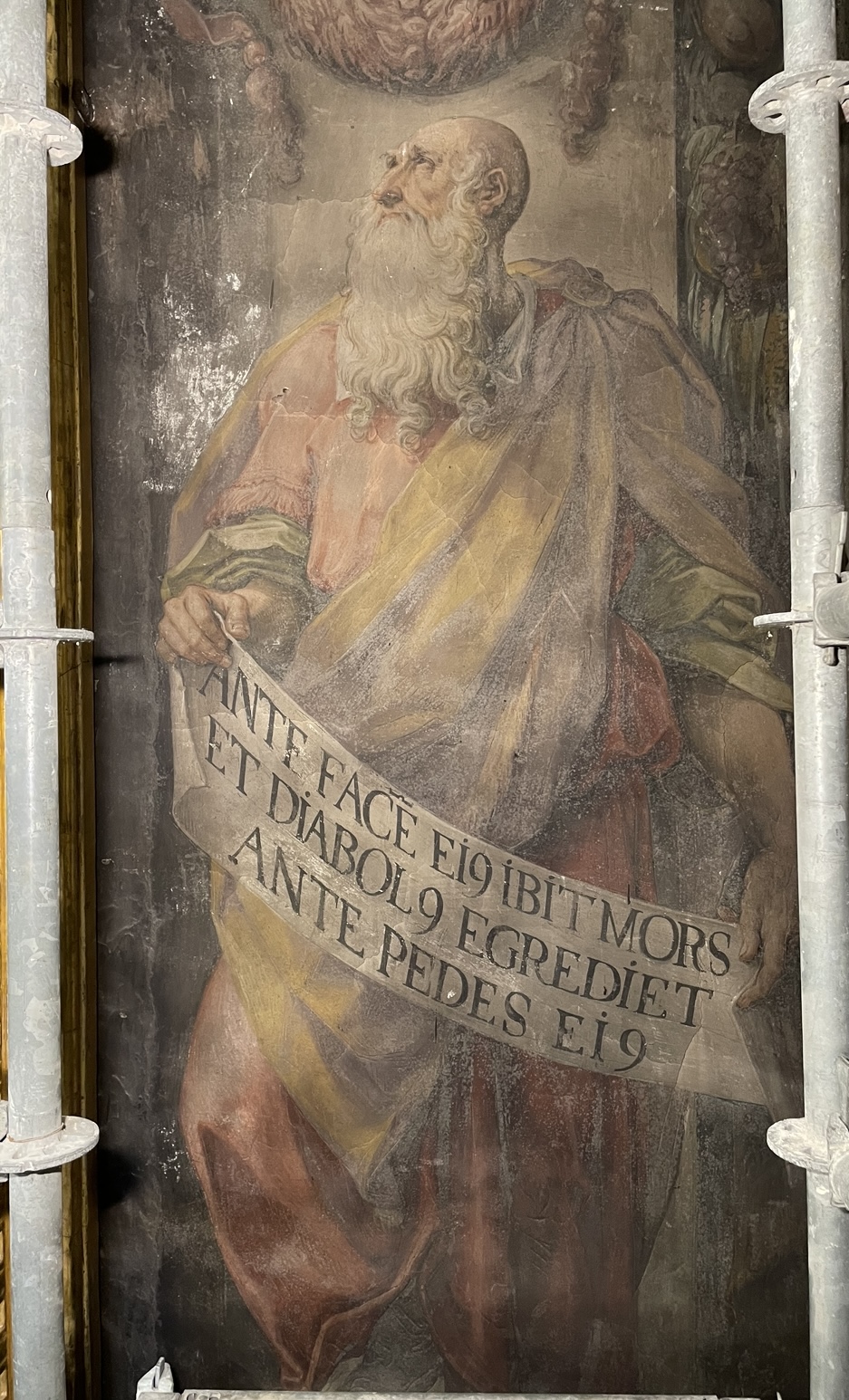
Screenshot
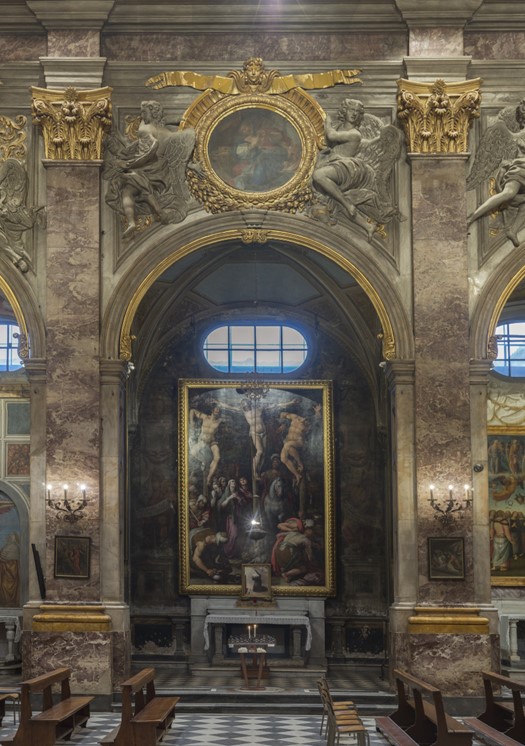
Cappella Galli
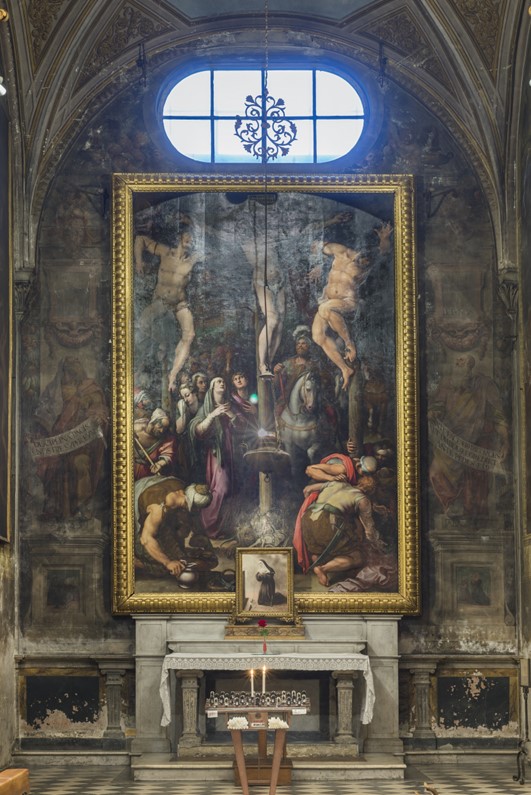
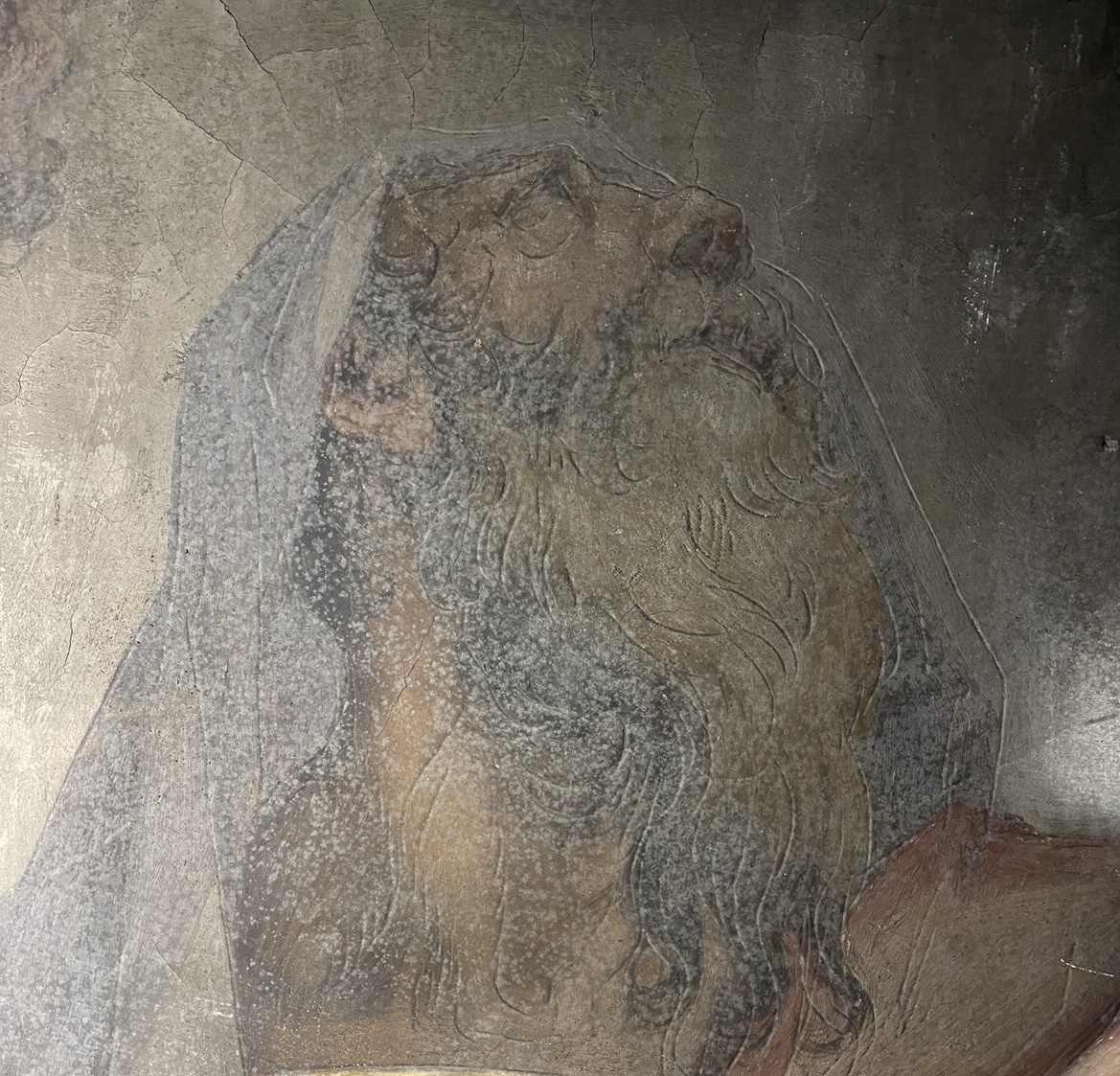
Screenshot
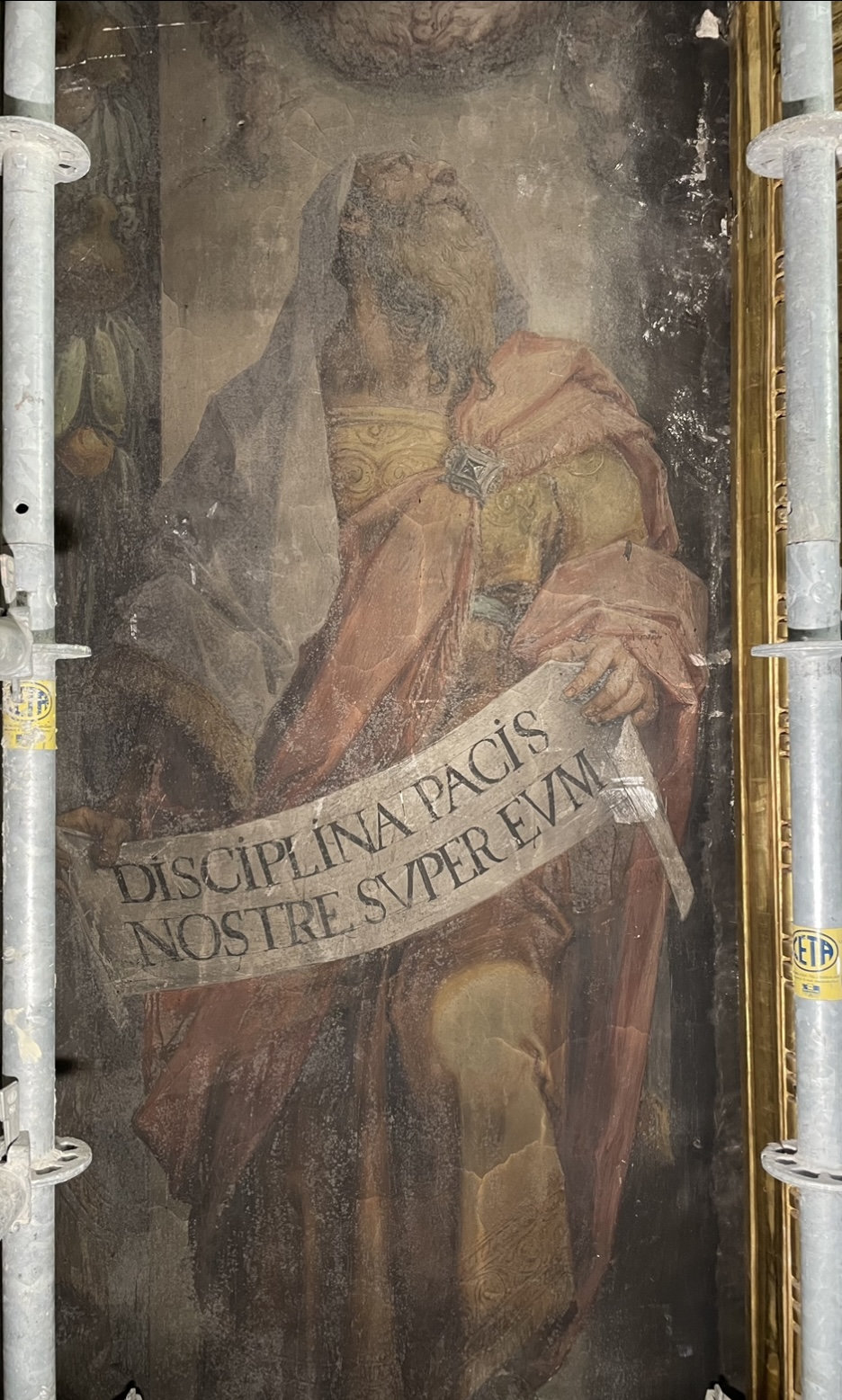
Screenshot
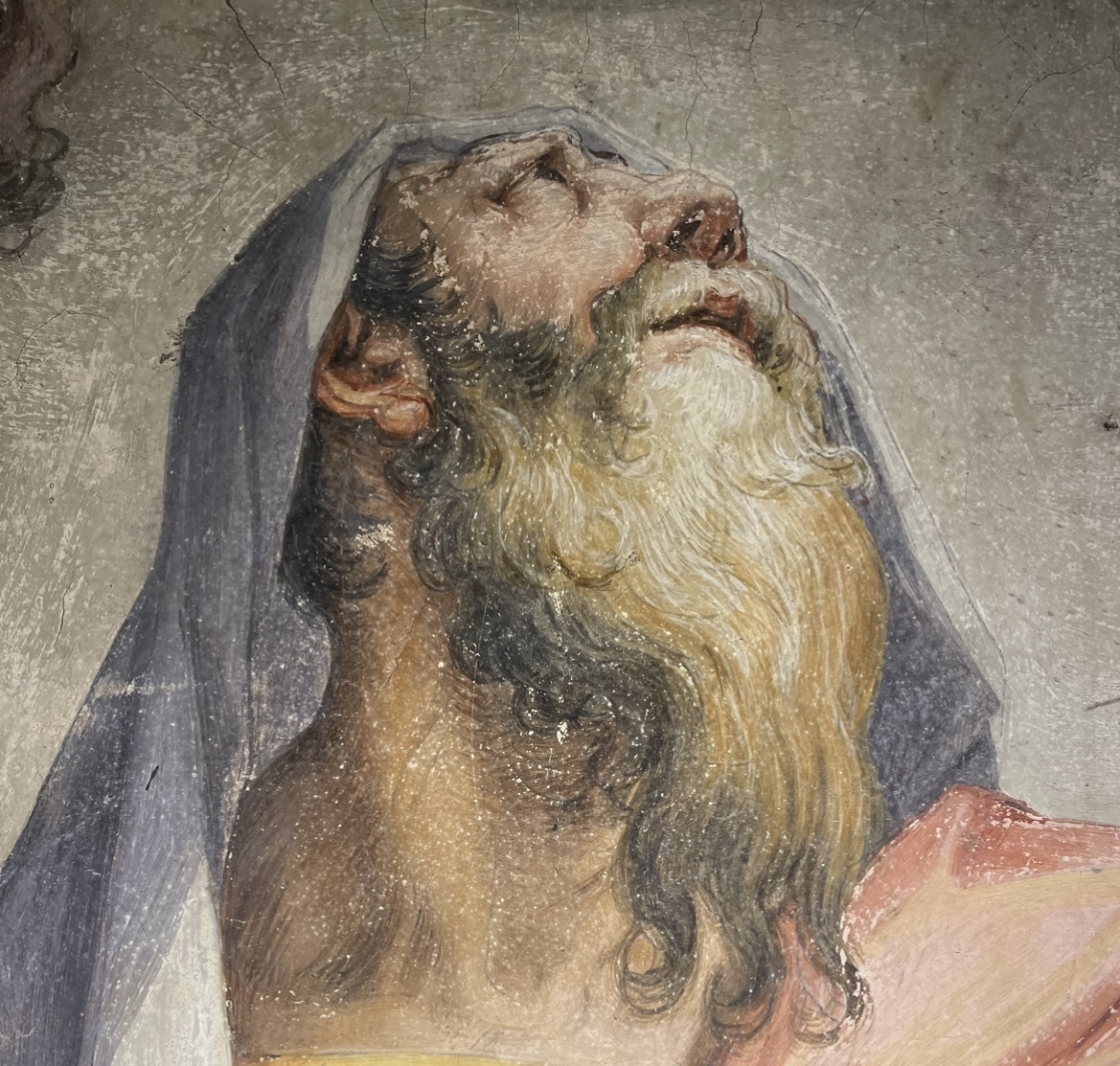
Screenshot
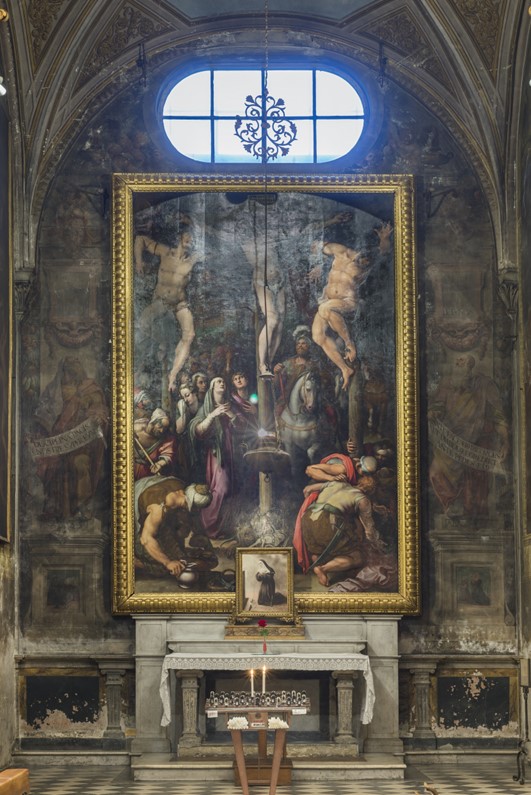
Cappella Galli
CLIENT:
City of Florence
DIRETTORE DEI LAVORI:
Arch. Ilaria Vallifuoco
SOGGETTO:
Wall Paintings
STATE OF CONSERVATION:
FOR THE WALL PAINTINGS:
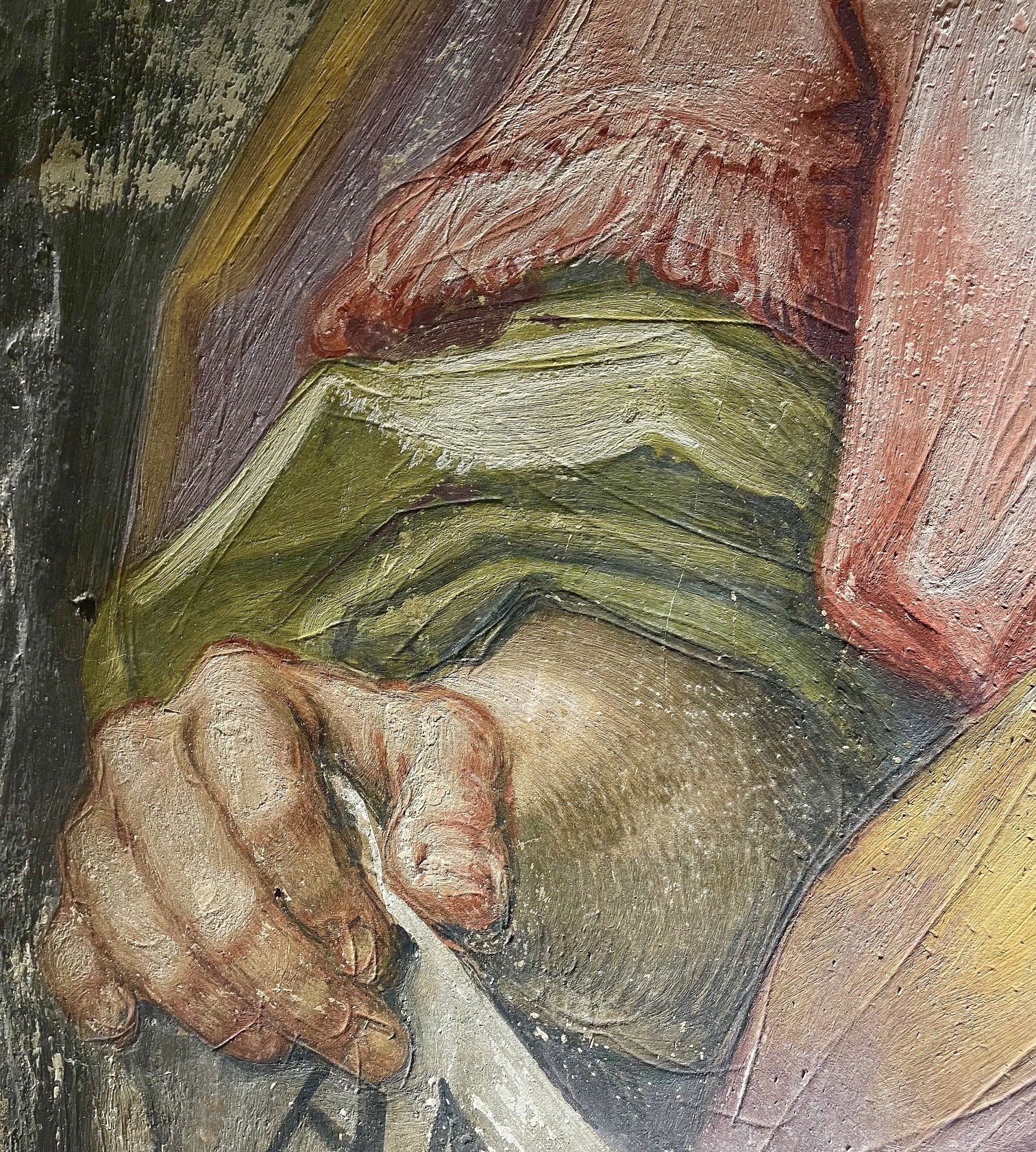
Given the precarious state of conservation and the imminent danger of losing the powdery and decohesive pictorial film, an initial pre-consolidation of the colors was performed. This involved applying small sections of Japanese paper and injecting a suitable consolidant behind the lifted scales; light pressure with natural sponges through the paper ensured the re-adhesion of the lifted pigments to the substrate.
In the areas most affected by water infiltration, soluble salts were extracted using absorbent poultices applied for extended and repeated periods until the presence of salts was deemed negligible.
- Surface Cleaning:
- Removal of solid particulate deposits using natural sponges soaked in deionized water.
- Where sulfate salts were identified: Application of a layer of Japanese paper followed by the brush application of anionic exchange resins with a desulfating effect. Ammonium carbonate (3% to 8% solution) was added where necessary to eliminate whitish patinas. Contact times were determined based on preliminary tests.
- Where salt presence was not significant: Cleaning was performed using a “slurry” of ammonium carbonate or bicarbonate (for copper-based pigments) or dispersed in a cellulose pulp poultice, using Japanese paper as an interlayer to selectively remove organic deposits.
- Consolidation: Consolidation of the pictorial plaster showing detachment from the support via injections of a salt-free mineral hydraulic mortar. Re-adhesion was achieved using small wooden props until the completion of the hydrolysis process. Alternatively, “point” consolidation was executed by inserting fiberglass micro-pin anchors into the masonry structure in the most detached areas.
- Grouting: Filling of lesions and lacunae with a mortar composed of lime putty and sand of suitable grain size. Care was taken to ensure the restoration mortar was compatible with—and no tougher than—the original plaster. To ensure long-term stability, barium hydroxide was applied for both its anti-sulfate action and consolidation properties. Alternatively, nanotechnology solutions were employed, following approval from the Works Management (DD.LL.) after evaluating preliminary test results.
- Pictorial Integration: Integration of micro-losses in the pictorial surface through multiple glazes (velature) matched to the original colors. These were composed of pure natural pigments (earths and oxides) with ammonium caseinate to achieve a unified chromatic value.
ALTA SORVEGLIANZA:
SABAP – Dott.ssa Jennifer Celani